Sight-word questions parents ask
What sight words should kids learn first?
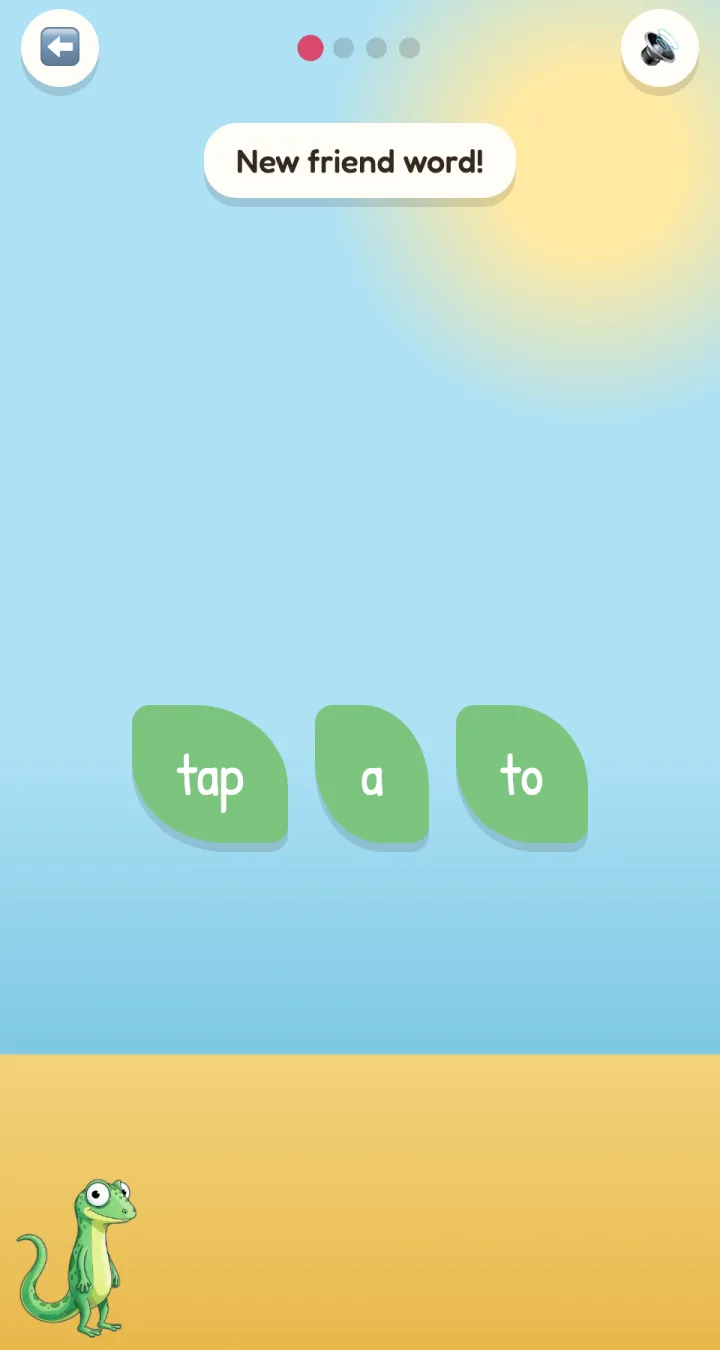
The ones stories can't move without: the, a, to,
I, is. A tiny set of these unlocks real sentences long before every
spelling pattern is taught — with just those and a few CVC words, a child can read
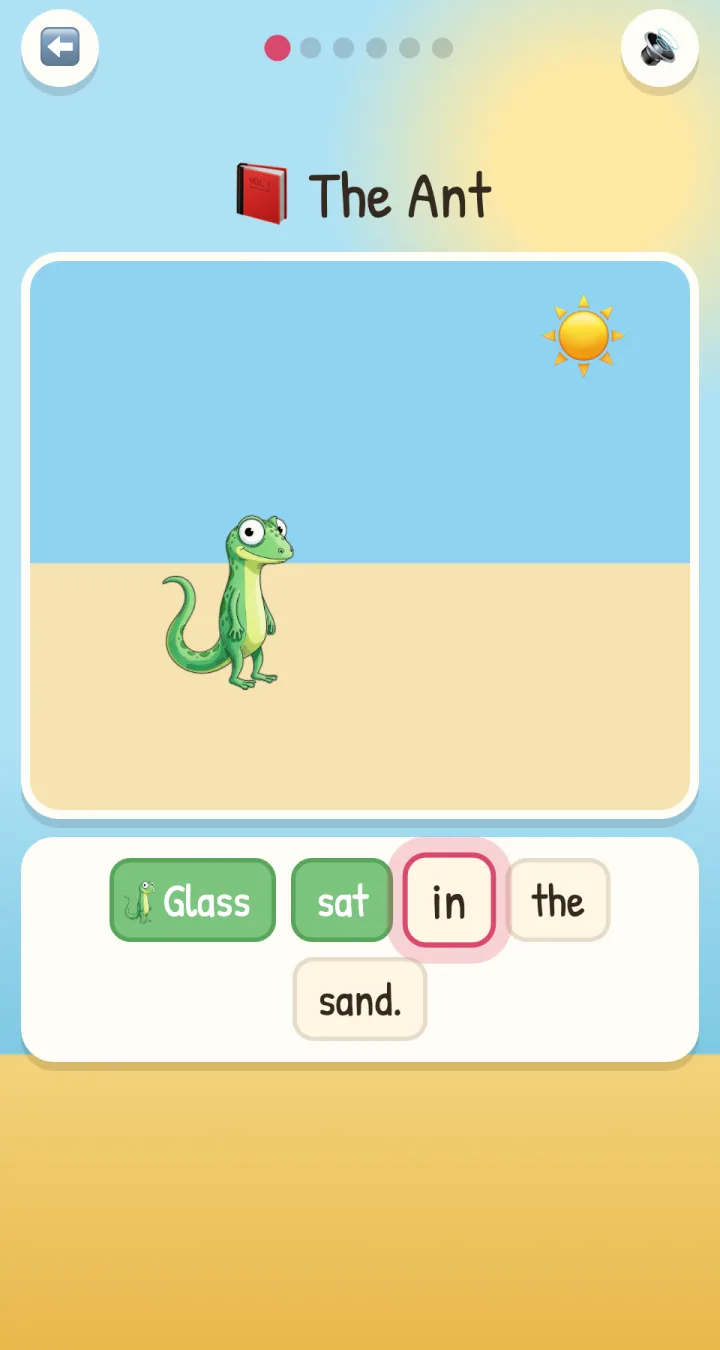
"Glass sat in the sand." Read with Glass introduces exactly this handful early, one or
two per level group, always in service of the next story.
Are sight words still taught under the science of reading?
Yes — but honestly. The old approach memorized hundreds of words as wholes; the
science of reading says most words should be decoded, and only genuinely
irregular high-frequency words (like the) need to be taught as exceptions,
with attention to the parts that are regular. That's what Read with Glass does: a
small set of glue words taught explicitly, while everything else stays fully
decodable.
How many sight words should a kindergartner know?
Quality beats count. A kindergartner who reads 20 high-frequency words instantly
inside real sentences is better set up than one who flashcard-recites 100 in
isolation. If a program brags about word counts, ask instead: can the child read a
sentence? Read with Glass keeps the set small on purpose and immediately embeds every
sight word in its decodable stories.
Keep going