Blending questions parents ask
What is blending in phonics?
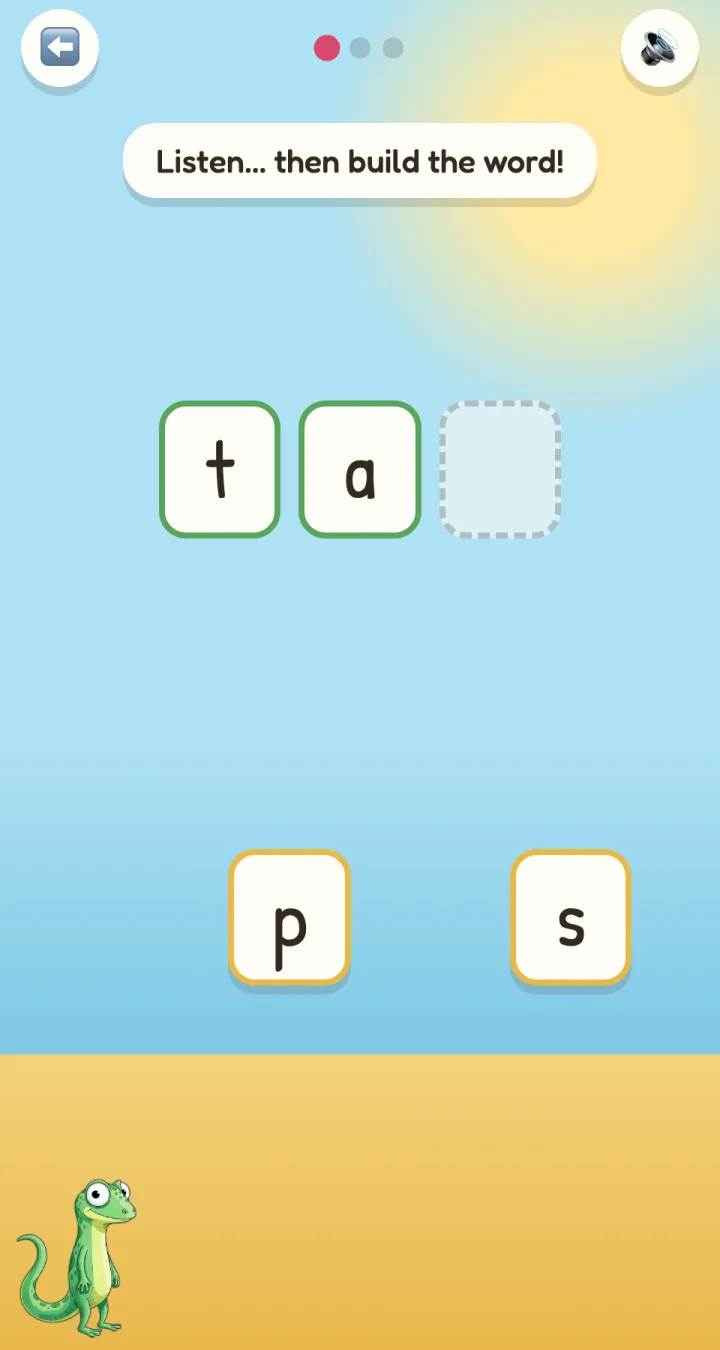
Blending is pushing individual sounds together to make a word: hearing
s…a…t and saying sat. It's the moment decoding becomes
reading. Segmenting is the reverse skill (hearing sat and pulling it apart
into s-a-t), and children need both — blending to read, segmenting to spell. Games
help because they give dozens of low-stakes repetitions a worksheet never could.
How do I teach my child to blend sounds?
Keep the sounds pure and fast: "sss-a-t", never "suh-ah-tuh" — the added "uh" is
the number-one blending killer. Start with two sounds (a-t → at), stretch
them so they touch ("sssaaat"), then speed up. Do it out loud in the car with no
letters at all — oral blending comes before written blending. In Read with Glass, the
word-builder levels walk this exact ladder with audio for every sound.
My child can blend — what comes next?
Sentences. Once a child blends single words, the jump is reading connected,
decodable text — real sentences made only of taught letters and words, so there's
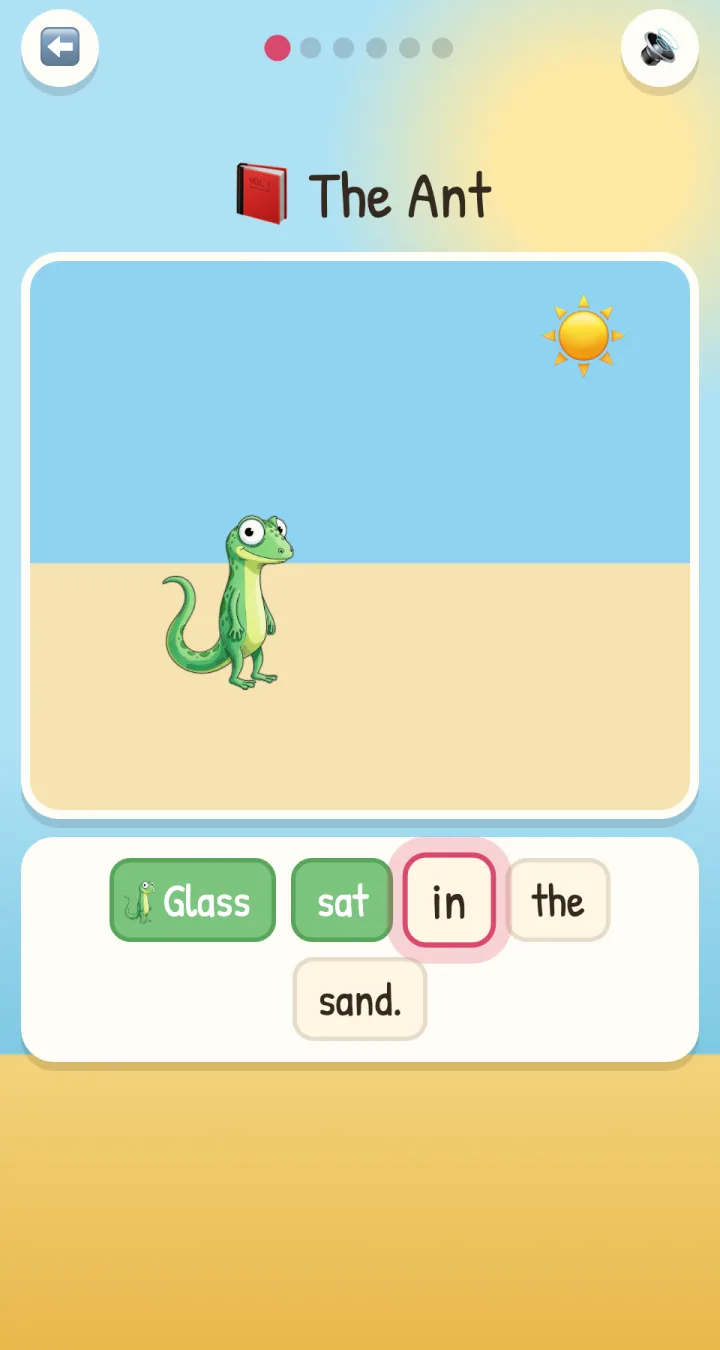
nothing to guess. That's the finale of every level group in Read with Glass: a
mini-story the child reads aloud, and every word they read makes the scene move. It
turns "I can sound out words" into "I can read."
Keep going